Starting rate for savings
The starting rate for savings is a 0% rate of tax which can apply for up to £5,000 of savings income. It only applies if your non-savings and non-dividend income is below a certain threshold.
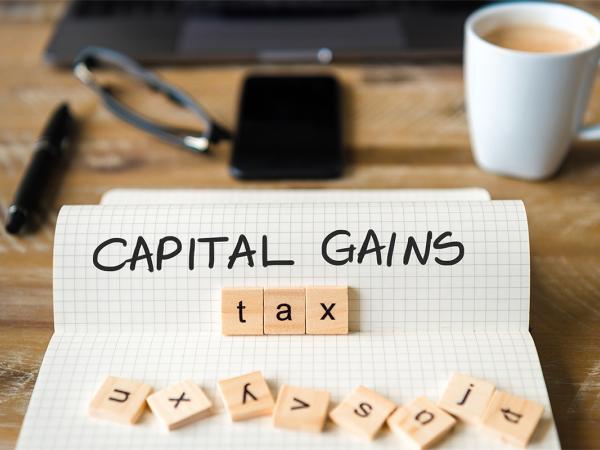
Capital gains tax is a complicated subject, so we provide an introduction only. We do cover the main issues, though, and signpost you to where you may find extra help.
Council tax is collected in England, Wales and Scotland (although there are some regional differences). In Northern Ireland, there is a rates system instead of council tax. Collection of council tax is carried out by your local council. Collection of rates in Northern Ireland is carried out by Land ...
Income from savings and investments can be taxed differently depending on what type of income it is. There are separate rates of tax for savings income and for dividend income. These apply to the savings and dividend income of all UK taxpayers, including Scottish and Welsh taxpayers.
Do you charge rent to someone else for living in a property that you own? Or do you sub-let a room in your house to a lodger? Having income from property, also known as rental income, means you need to consider your tax position. You may need to tell HMRC about it and possibly pay some tax if you ...
We outline the rights and safeguards the law gives you when HMRC have asked to visit your business premises so that they may inspect the premises and any business assets or business documents that are there. These visits are also known as inspections.