Married couple's allowance
The married couple’s allowance gives you an amount (known as a tax credit or tax reducer) that can reduce the amount of income tax you pay.
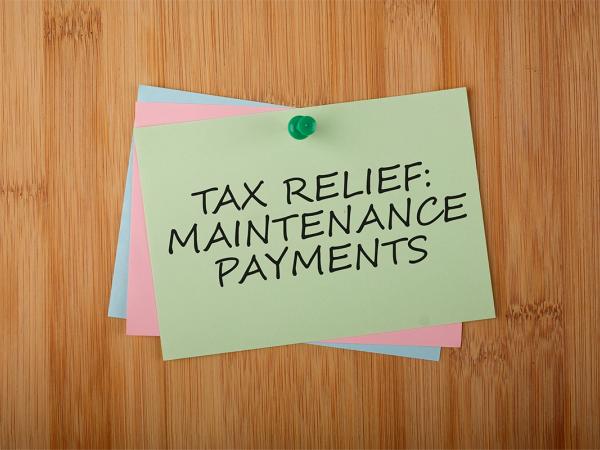
Maintenance payments relief gives you an amount (known as a tax credit or tax reducer) that can reduce the amount of income tax you pay. It is only available where either you, or your ex-spouse or civil partner were born before 6 April 1935.
The personal allowance is deducted from your taxable income before income tax is calculated. It can therefore reduce the amount of income tax you pay. The personal allowance means that you can have a certain amount of taxable income each year without paying tax.
Some income is called taxable, which means it forms part of the total income on which you have to calculate tax (though sometimes no tax may be due if the income falls within your allowances or is taxed at 0%).
You may not have to pay tax on all of your income. Some income is non-taxable, not taxable, exempt or tax free. This means you do not include that income in your total taxable income and you do not have to pay tax on it.
If you have received some financial support from parents, other family members or friends who can afford to give or lend money, you will want to know what the tax implications are, if any. This depends on whether the support is through a loan or a gift of cash.