Tax: HMRC determinations of tax liability
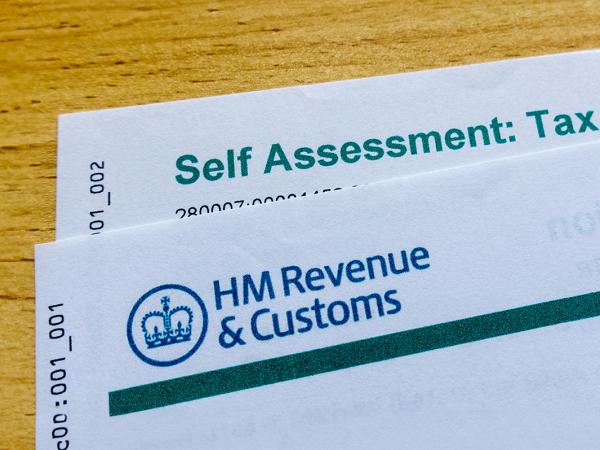
If you were required to submit a Self Assessment tax return for a particular tax year to HMRC but you did not do so, HMRC may eventually send you a letter which sets out a ‘determination’ of the tax they think you owe for that tax year. If you failed to file more than one tax return you may get more than one determination.
Content on this page:
What a determination is
When HMRC estimate the tax they think you owe by sending you a ‘determination’ (form SA323), they will use what they do know about you – perhaps from previous tax returns, or from other data they have received from third parties – to calculate the tax estimate for the relevant tax year(s). The determination will also confirm the level of any payments on account required for the following tax year if the tax return for that year has not yet been submitted, but you can make a claim to reduce these payments if the tax return for that year is not overdue. If a claim has previously been made to reduce the payments on account for the year the determination relates to, those payments will be restored to the original amounts.
HMRC will add the amounts of tax owed as set out in the determination to your Self Assessment account, and late payment penalties and interest will be applied if the tax remains unpaid.
You will then either have to pay this or take action, as we explain in the section If HMRC issue a determination below.
Deadlines
If HMRC send you a determination, they must do so before the third anniversary of the date the return was originally due to be filed.
If HMRC issue a determination
Even though a determination is an estimated amount, the tax shown by the determination is a legally enforceable debt, unless you submit the outstanding tax return to displace the determination.
The outstanding tax return must be submitted within:
- 12 months of the date of the determination, or
- three years from the filing date of the outstanding return to which the determination relates (if later).
You should therefore submit the outstanding return as soon as possible after receiving the determination. The amount owed on that tax return will then automatically replace the amount of the determination.
If the tax return shows that you do not owe any tax once it is completed, provided it is submitted to HMRC within the above timeframe the estimated tax shown by the determination will be cancelled.
If you paid the tax charged by the determination before submitting your tax return and the tax that you owe as calculated on the return is less than the amount you paid, HMRC will repay the overpaid tax to you.
If you miss the deadline for submitting the tax return
If you miss the deadline for submitting your return after receiving the determination, then the determination stands unless HMRC agree a claim you might make for ‘special relief’. This is an option of last resort and HMRC are not obliged to accept a special relief claim.
The charity TaxAid has detailed guidance relating to special relief claims on its website. You can also read more about special relief in HMRC’s technical manual, on GOV.UK.