Updated on 6 April 2026
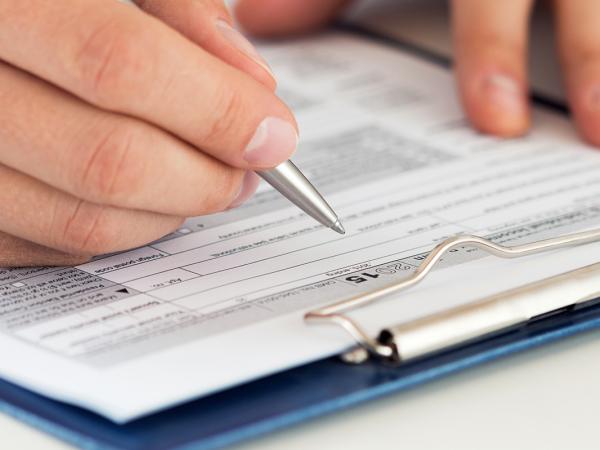
Form R40: repayment of tax on savings and investments
We provide information on form R40, including an annotated example to help illustrate how to complete it.

We provide information on form R40, including an annotated example to help illustrate how to complete it.

If you are considering using a tax refund company to help submit your tax repayment claim, read this page to work out whether it is the best option for you. Sometimes it is possible to end up using a tax refund company without really intending to, so take care with what you are signing up for – ...

Tax may have been deducted at source from the interest element of a payment protection insurance (PPI) payout. If the tax deduction means that you overpaid tax in the tax year in which you received the PPI payout, you can claim a repayment as set out below.

The marriage allowance has been available since 6 April 2015. Some couples are only just becoming aware of the marriage allowance. The good news is that claims can be backdated for up to four years.
On this page, we explain how to claim a refund of tax paid on savings income. This information is for people who do not have to fill in a tax return. If you normally complete a tax return, see our page Self assessment tax refunds.

If you are taxed under the Construction industry scheme (also known as the CIS), your contractor must withhold tax on its payments to you. This means you may overpay tax under the CIS and need to claim a refund.