
Any questions? Why are Vinted asking for my National insurance number?

We regularly receive queries via our website and through our social media channels including TikTok. We cannot give advice, but we try to signpost people to sources of further information and support. Occasionally we will use the questions anonymously and turn them into ‘question and answer’ news items. We have received questions recently, such as the one below, from people selling clothes via an online platform.
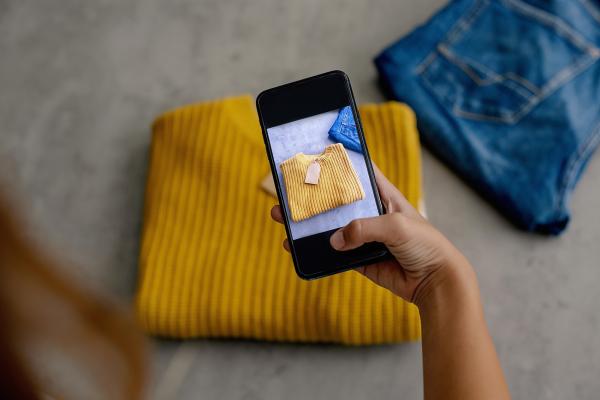
Question:
I’ve been selling some old clothes through Vinted and have just received a request from them for my National Insurance number in order to make a seller report to HMRC. I’m so confused as I thought there wasn’t any tax if I earned below £6,000.
Answer:
Vinted and other online platforms (such as Etsy, eBay and Depop) now have to collect certain information about their users — including date of birth and National Insurance number — because of new international reporting rules.
As set out in our guidance, these rules require platforms to share data with HMRC if a seller exceeds either of the following activity thresholds in a calendar year:
- selling 30 or more items, or
- making €2,000 or more (around £1,700) in sales.
Most sellers will already have provided the required personal information when they registered, but may not have added their National Insurance (NI) number — so are being asked by the platform to provide this now.
Providing a NI number does not mean you will have to pay tax. Many people selling their own second-hand clothes or other household items are simply disposing of personal belongings, which is usually not taxable.
This applies even if you happen to sell something for more than you originally paid — not only when you sell at a loss (a myth that appears to be circulating online). The only exception is where - rarely – you sell a personal belonging for more than £6,000, in which case the sale may fall within Capital Gains Tax, but only if:
- the item is not an exempt asset (for example a watch is exempt), and
- the total gains in the tax year (sale proceeds minus the cost) exceeds £3,000.
In most cases, you only need to consider tax if your selling amounts to trading — for example, you are selling clothes which you have not owned for long and on a frequent basis, buying items specifically to resell at a profit, are improving clothes prior to selling them on or your clothes side hustle is somehow linked to an existing trade.
If your total trading income from all sources exceeds the £1,000 trading allowance in a tax year, HMRC say you must report it to them (usually through a self assessment tax return). Even then, you may not owe any tax if you still have some of your £12,570 personal allowance available to set against your profits.
You can be trading even if you are not using a “business” or “pro” selling account. It is the nature of your activity, not the label on the account, that determines this.
It’s also very important not to mix up the different tax thresholds:
- £6,000 / £3,000 — relevant when selling high-value personal belongings for Capital Gains Tax purposes.
- £1,000 / £12,570 — relevant where your selling is classed as trading for Income Tax purposes.
Here are some examples to help you understand this further:
Most casual-selling situations will not fall within the realms of the examples above, therefore, the request for your NI number is simply an administrative requirement and not a sign that HMRC thinks you owe tax. However, you should keep records of your sales as HMRC may ask you to show that the items were low-value personal belongings.
A copy of the information sent to HMRC by the online platform for the preceding calendar year will also be provided to you in the following January. If you are trading, it may help you understand your tax position or complete a return. We explain more in our guidance on Seller Information Statements.
Add new comment