Budget 2026: Pension Tax Allowance goes further than promised but is far from simple

The Chartered Institute Of Taxation’s Low Incomes Tax Reform Group (LITRG) has welcomed the government’s new Pension Tax Allowance for state pensioners but has warned that it may present complexity for some taxpayers.
In today’s Budget speech, the Chancellor confirmed that a new Pension Tax Allowance for state pensioners will be introduced from April 20271.
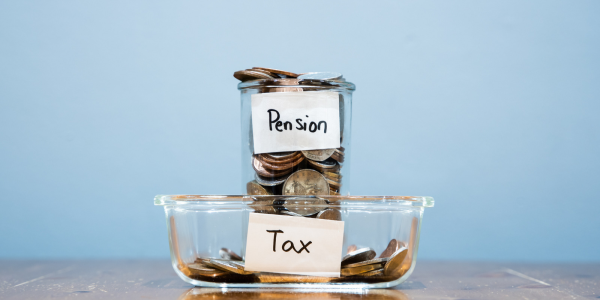
Contrary to pre-Budget speculation that this would be delivered as a top-up to the tax-free personal allowance, it will instead operate as a ‘tax reducer’, worth up to £94, with a tapered allowance for those with income slightly above the annual value of the new state pension2. HMRC will apply the allowance automatically, so eligible pensioners will not need to claim it.
Antonia Stokes, Senior Manager at LITRG, said:
“This is arguably a fairer approach to the announcement made by the government at last year’s Budget.3
“That announcement focused on people receiving the basic or new state pension without increments and suggested that anyone with other types of income would be entirely excluded from benefitting.
“But the measure announced today will apply to all people of state pension age, regardless of how they get their income.
“The important point is the amount of that income. Provided a person’s total income is up to the annual value of the new state pension of approximately £13,037, they should not have any tax to pay from next year.
“If they earn a little more, up to £13,319, the value of the allowance will be tapered away.
“The allowance will be increased in tax years 2028/29 and 2029/30 in line with the uprating of the state pension under the triple lock, which the government has committed to keeping in place until April 2030.”
Antonia Stokes continued:
“Because the Pension Tax Allowance will operate as a ‘tax reducer’, it could be more difficult for taxpayers to understand and make it more challenging to independently verify their calculations.
“It is important for state pensioners to be aware that if they have income from things like savings and dividends (other than ISAs), these will count as income for the purposes of receiving the Pension Tax Allowance even if the income is covered by their tax-free personal savings and dividend allowances.
“This is the sort of nuance that could cause confusion, which makes it all the more important that HMRC provide clear, suitable guidance and support for affected taxpayers to help them understand this new measure.”
Notes for editors
- The announcement is referenced in HM Treasury’s Budget ‘Red Book’ at paragraph 3.19, with further detail contained in a Pension Tax Allowance Explainer.
- The full rate of the New State Pension is expected to be just under £13,037 from April 2027, which exceeds the value of the tax-free Personal Allowance, which will remain at £12,570. Without the benefit of the Pension Tax Allowance, a state pensioner with income of £13,037 could expect to face a tax liability of just under £94 for 2027/28 – which is the value of the Pension Tax Allowance.
- See LITRG Blog Post: The state pension tax debate – issues arising from the budget 2025 announcement