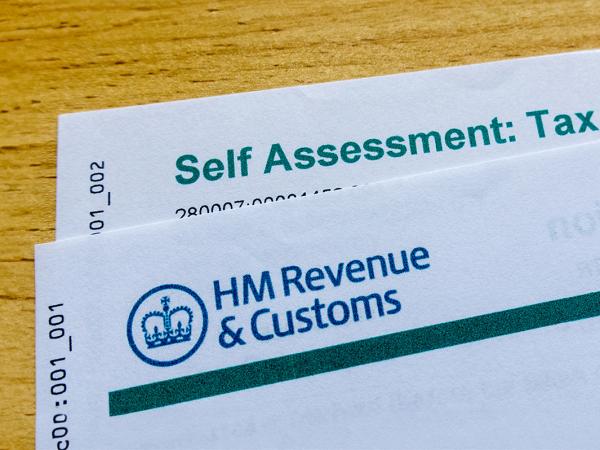
Missed the self assessment deadline? Don’t panic – here’s what to do next

For most people, the deadline to submit their 2024/25 self assessment tax return was 31 January 2026, and HMRC have estimated that 1 million people missed this deadline. If you are one of them, don’t bury your head in the sand – follow the relevant steps set out below to get your tax affairs back on track.
If you have income from property or self-employment it is particularly important to file your 2024/25 tax return as soon as possible if you have not already done so, as you might need to follow the new Making Tax Digital rules from April 2026.
Content on this page:
Missing the self assessment filing deadline
HMRC said in a recent GOV.UK press release that, while approximately 11.5 million tax returns were filed by midnight on 31 January 2026, an estimated 1 million returns remained outstanding.
If HMRC sent you a notice to file a self assessment tax return for 2024/25 but you missed the filing deadline, HMRC’s numbers show that you’re not alone, but it’s important that you take action as soon as possible to get your tax records up to date and keep penalty and interest charges to a minimum.
Penalties for missing the deadline
You will receive an automatic penalty of £100 from HMRC for missing the filing deadline. As detailed on our website, further penalties will be issued the longer the tax return remains outstanding, with 1 May 2026 being the next notable date for most people, as penalties of £10 per day will apply once the return is 3 months late.
Some people may have a tax return filing deadline other than 31 January, for example if they registered late for self assessment. You can read more about self assessment deadlines in our guidance.
In addition, interest charges apply if any 2024/25 tax remains unpaid after 31 January, as well as possible tax-based penalties being applied from 3 March 2026.
Getting back on track
If you were issued with a tax return for 2024/25 but missed the filing deadline, then you might be wondering what to do next. Here we set out some easy steps to help you get back on track with your tax!
- Step 1 – Should HMRC cancel the tax return?
-
Firstly, if you have still not submitted the tax return, check if one was actually required under HMRC’s criteria. It might be the case that HMRC sent you a notice to file, but you did not actually meet the self assessment criteria for the 2024/25 tax year, or perhaps you registered for self assessment in error. We discuss who needs to complete a tax return in more detail on our website.
You can also use HMRC’s tool on GOV.UK to check. If, based on your circumstances during the 2024/25 tax year, HMRC’s tool says you did not need to complete a tax return, you can follow the steps to have the outstanding tax return cancelled. You will see a link on the result page that says ‘Tell HMRC you no longer need to send a tax return’.
If the tax return is cancelled, any late filing penalties for that tax return will also be cancelled automatically.
You must make sure you let HMRC know in future years if your situation changes and re-register for self assessment if necessary.
- Step 2 – If the tax return is due, then get it submitted
-
If you did meet the self assessment criteria for 2024/25, then you should go ahead and submit your tax return as soon as possible if you have not yet done so.
If you have missed the deadline and received a late filing penalty, HMRC say you cannot appeal it until you have submitted the late tax return. If you need some help with the tax return we have lots of useful guidance materials on our website.
- Step 3 – Get the tax paid or arrange a payment plan
-
Once you have submitted your tax return, it is important to also make sure you have paid your tax bill. Your 2024/25 tax was due on 31 January 2026 – this is usually the case even if your tax return deadline is after this date. You will be charged late payment interest until the tax is paid. At the time of writing, HMRC’s interest rate is 7.75%, so the charges can mount up very quickly. Our article Can’t pay what you owe by 31 January 2026? contains useful information on managing your tax bill, including the possibility of agreeing a Time to pay instalment payment arrangement with HMRC.
If you have not paid your tax bill for 2024/25 or set up a time to pay arrangement by midnight on 2 March 2026, you will receive a 5% late payment penalty in addition to late payment interest. This is based on the amount of your 2024/25 tax bill which remains unpaid on that date. You might also face debt collection action from HMRC.
You can read more about tax payment problems on our website.
- Step 4 – Consider if you have grounds to appeal the penalty
-
Once you have submitted your tax return and you have paid the tax or sorted out a payment plan, then you can think about dealing with any late filing penalty you may have received.
If you filed your tax return late due to reasons outside of your control, you might be able to appeal the late filing penalty if HMRC agree you have a reasonable excuse. You can read more about this in our guidance.
Usually, you will have 30 days from the date on the penalty notice to appeal the penalty, so don’t delay. There is an online appeal tool on GOV.UK. This gives you the option to appeal online or to download a form and appeal by post. HMRC will then process the appeal and let you know their decision.
If the 30-day appeal window has passed, you may wish to submit an appeal anyway as HMRC might be able to accept a late appeal.
If you do not have grounds to appeal the penalty, then pay it as soon as possible in line with the payment instructions on the penalty notice, as interest charges apply to unpaid penalties as well as to unpaid tax.
Even if you appeal the penalty you may wish to consider paying it in the first instance, as this will keep interest charges to a minimum if your appeal is unsuccessful. If your appeal is accepted HMRC will refund the payment to you.
What if you weren’t registered for self assessment?
For the purpose of late filing penalties, your tax return can only be ‘late’ if you were actually registered for self assessment in the first place. By this we mean that HMRC had sent you a notice to file a tax return.
Maybe you know you should have completed a tax return for 2024/25, but have not taken that first step of registering for self assessment with HMRC. If that sounds like you then the steps you need to take are slightly different to those set out above. We explain more about this in our guidance pages on Registering for self assessment and Failure to notify penalties, but in summary, the first step is to register for self assessment and then deal with the tax return as soon as possible once HMRC have issued the notice to file the return.
Let’s look at how this works using an example:
Late tax returns and Making Tax Digital for income tax
Making Tax Digital for income tax (often referred to as MTD) is a new system for recording property and self-employment income and expenses and reporting it to HMRC, and for filing an annual tax return. People who have annual gross income from self employment and property of more than £50,000 in the 2024/25 tax year will need to start using Making Tax Digital from April 2026, unless they are exempt.
HMRC will review all self assessment tax returns for the 2024/25 tax year that were filed by 31 January 2026 to identify people who will be legally required to follow the Making Tax Digital rules from April 2026 and issue notifications to those affected.
However, people who did not file their tax returns by the 31 January deadline are unlikely to receive the notification from HMRC, so they run the risk of overlooking their Making Tax Digital obligations.
If you do not receive a letter from HMRC but your income from property and self employment is more than £50,000 in tax year 2024/25 (even if you did file your tax return by 31 January 2026) you must still sign up for Making Tax Digital and follow the new rules from April 2026, unless you are exempt.
We have lots of information about Making Tax Digital, including who it applies to, the specific requirements and the exemptions available on our Making Tax Digital for income tax hub.
Thinking ahead to next year
Dealing with a late tax return and the added worry of receiving a penalty can be stressful, so it is worth thinking about what you can do to make sure the same problem doesn’t arise next year, if possible.
In particular, you might consider:
- Making a list of what information you will need to gather for next year’s tax return and ticking off the items when ready.
- If you prepare your tax return using HMRC’s online self assessment service, you can even go in and enter the information as it becomes available, as you have the option to save your progress and come back later.
- Setting some time aside, a long way in advance of the next self assessment deadline, to finalise and submit your tax return – put it on your calendar.
- Regularly setting aside some money for next year’s tax bill. You can even consider setting up a budget payment plan with HMRC. You can read more about budget payment plans in our guidance.
Getting further help and support
If you are on a low income and need help with dealing with an outstanding 2024/25 tax return or appealing your penalty the tax charity TaxAid might be able to help you.